
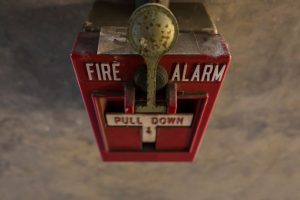
Commercial fire alarm systems are designed to provide early warnings during emergencies, but even well-maintained equipment can become outdated. As technology advances, building layouts change, and fire safety requirements evolve, older systems may no longer meet the needs of a commercial property.
For business owners and property managers in Salt Lake City and throughout Utah, knowing when to upgrade a commercial fire alarm system is an important part of maintaining building safety. While some issues can be resolved through routine maintenance or repairs, others may indicate that a more comprehensive upgrade is necessary.
Here are several signs that your commercial fire alarm system may be due for an upgrade.
1. Your Fire Alarm System Is Outdated or Difficult to Maintain
One of the most common reasons to consider upgrading a commercial fire alarm system is aging equipment. Although fire alarm systems don’t have a universal expiration date, older equipment may become increasingly difficult to maintain as manufacturers discontinue certain components or stop supporting previous product lines.
If replacement parts are difficult to find, repairs take longer than expected, or technicians regularly encounter compatibility issues, upgrading may be more practical than continuing to maintain an aging system. Newer commercial fire alarm panels can also offer improved diagnostic capabilities, allowing technicians to identify equipment problems more efficiently.
2. You’re Experiencing Frequent False Alarms or System Trouble Signals
Occasional system problems don’t necessarily mean an entire fire alarm system needs replacement. However, recurring false alarms, unexplained trouble signals, or repeated equipment failures should never be ignored. These issues may result from aging detectors, wiring problems, environmental conditions, or malfunctioning components. Frequent unwanted alarms can disrupt business operations and may cause occupants to become less responsive to future warnings.
3. Your Commercial Building Has Undergone Renovations or Expansion
Commercial properties often change over time. Businesses may add office space, renovate warehouses, reconfigure work areas, or increase building occupancy. These modifications can affect fire alarm detection coverage, notification requirements, and overall system capacity. For example, converting an open warehouse into multiple enclosed workspaces may require additional detectors or notification appliances to provide appropriate coverage. If your existing system cannot accommodate these changes, upgrading to a more expandable platform may be necessary. As such, building owners should have their fire alarm systems evaluated whenever significant renovations or changes in occupancy occur.
4. Your Fire Alarm System No Longer Meets Current Code Requirements
Fire safety regulations help establish minimum requirements for commercial fire alarm equipment, installation, and maintenance. In Utah, applicable requirements may involve the International Fire Code, International Building Code, and NFPA 72, along with state amendments and local regulations. An older system is not automatically required to be replaced simply because newer codes have been adopted. However, renovations, occupancy changes, identified deficiencies, or specific enforcement requirements may trigger necessary upgrades.
Businesses should consult the Utah State Fire Marshal’s Office and their local authority having jurisdiction to understand which requirements apply.
5. Your System Lacks Features Needed for Your Building
Modern commercial fire alarm systems offer capabilities that may not be available with older equipment.
Depending on the system, these features can include:
- Addressable detection: Identifies specific devices reporting alarm or trouble conditions. Voice evacuation capabilities: Provides spoken emergency instructions in facilities where these features are appropriate or required.
- Advanced networking: Connects compatible control panels across larger buildings or multiple facilities.
- Improved diagnostics: Helps authorized personnel and technicians identify system issues.
- Expandable configurations: Accommodates additional compatible devices as building needs change.
For example, EST fire alarm systems offer advanced commercial fire alarm technology, including intelligent control panels and networking options for different building applications. These capabilities can make an upgrade worth considering for businesses with increasingly complex fire safety requirements.
Should You Repair or Replace Your Commercial Fire Alarm System?
Not every malfunction requires a complete replacement. In some cases, replacing a detector, repairing wiring, or updating individual components may restore proper operation.
However, when repair costs continue increasing, compatible replacement parts become unavailable, or the system cannot accommodate necessary building modifications, upgrading may provide better long-term value. A professional assessment can help determine whether repairs are sufficient or whether a new system would better meet your property’s needs.
For additional information about system types, installation considerations, and maintenance, take a look our complete guide to commercial fire alarm systems for Utah businesses.
Commercial Fire Alarm System Upgrades in Salt Lake City, Utah
Recognizing the warning signs of an outdated fire alarm system can help businesses address potential problems before they become more serious. At Spectrum, LLC, we provide commercial EST fire alarm systems for businesses in Salt Lake City and surrounding Utah communities. Whether you’re evaluating aging equipment or planning a system upgrade, we can help you explore fire alarm solutions suited to your building.
Contact us to discuss your commercial fire alarm needs.
Recent Comments